
Richmond Ward Candidates
For transparency, candidates were informed that their responses to the Local Matters survey would be published unedited.
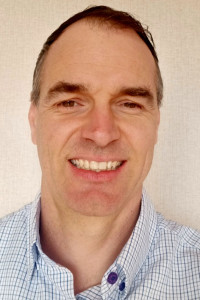
Glen Daikee
No responses received
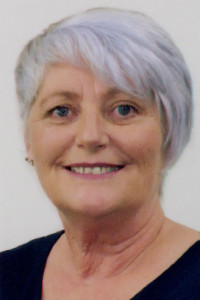
Jo Ellis
| 1. What is your plan to reduce the risk of and prepare Tasman for worsening weather events? This is not an issue that has an easy response and will require a mix of mitigation, and preperation to deal with a response should an emergency happen. Removing some shingle from rivers may help, as well as maintaining stop banks. Looking at where were build or how we farm, or develop areas for housing. |
| 2. What do you think good rural and urban planning looks like for Tasman? It is a mix. we can concentrate residential dwellings in urban areas, but that also requires significant upgrades in the capabilities in our infrastructure within those urban areas. If we limit it to just those areas however, the ability to have some outside space shouldn’t just be the reserve of those rich enough to afford it. So that would require some greenfield development. the truth is council will have little control over this going forward I suspect |
| 3. Given the tight Council budgets, how would you still support the most vulnerable in our community? I have been an advocate for the community housing model we currently have. When others suggested selling it. Promoted the all abilities playground, and community sport opportunities. supported a lower debt cap. supported removing some projects for lower rates |
| 4. What is your position on large impact projects like Sam’s Creek gold mine, Hope bypass or the Māpua fast-tracked housing development? Sams Creek – very concerned about the potential environmental damage that could occur from this. Hope Bypass. – always advocated for the intersection at Lower Queen to be upgraded and not having to wait 10 years for a solution. which the mayors are now supporting. Housing developments – try as i might Ive failed with this is the past. have to find a balance with providing housing and maintaining the community feel with have. |
| 5. Tasman voters will decide whether to keep the Māori ward in the upcoming referendum. What is your position, and why? It is entirely up to the community to have its say and I will work with the communities decision. |

Mark Greening
| 1. What is your plan to reduce the risk of and prepare Tasman for worsening weather events? Increase debt headroom (not debt caps) to enable council to adequately respond. This will mean reprioritising spending and reducing costs. More debt is just more deferred rates increases (because it has to be paid back) and inevitably increases rates to service the growing cost of debt (eg, interest). And ensure stormwater projects and maintenance is adequately funded and completed (not deferred or stopped). Its about infrastructure investment priorities and protecting peoples homes first. |
| 2. What do you think good rural and urban planning looks like for Tasman? Council invested a substantial amount of ratepayer funds in a $211 million Waimea Dam for a few irrigators. Putting aside the merits of putting all our apples into one basket (and risking investment in other infrastructure), we should be protecting productive rural land, not converting it into residential development. Urban sprawl increases long term maintenance costs. We need to intensify and consolidate infrastructure, not spread it out, if we are to keep future spending under control. |
| 3. Given the tight Council budgets, how would you still support the most vulnerable in our community? Continue to support our current libraries, rather than threaten their closure whenever we talk about cost savings. And ensuring council is affordable. I was the only councillor to support “affordability” in our last Long Term Plan – the rest opposed it. We need to create the financial capacity to invest in our communities, not just the few. Like reducing councils operational costs, reworking how council does business, and keeping Port Nelson’s export revenue – some councillors want to sell it. |
| 4. What is your position on large impact projects like Sam’s Creek gold mine, Hope bypass or the Māpua fast-tracked housing development? The Hope Bypass project should be renamed (and I have told NZTA). A 1960’s solution is not the best solution for today. There are other options (not just one) that could better address the causes of Gladstone Road’s intersection congestion. I was the only councillor to vote against the Mapua (Seaton Valley) development. We need to intensify not spread out into productive rural land if we are to keep spending under control. Is our water, health, tourism, and ecology worth risking for Sam’s Creek? |
| 5. Tasman voters will decide whether to keep the Māori ward in the upcoming referendum. What is your position, and why? I voted for a Maori Ward, and support a ratepayer referendum. One of my reasons was about ensuring council is “always” representative of our region. It’s useful to have an iwi voice around the table. Constitutionally we are a bi-cultural nation, so local government should be consistent with central government models of representation. Also the total governance budget is apportioned between councillors, so it did not cost ratepayers anymore having another voice around the table. |
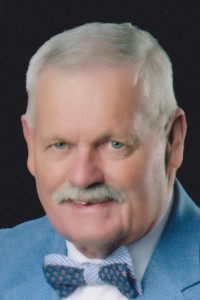
Kit Maling
| 1. What is your plan to reduce the risk of and prepare Tasman for worsening weather events? There is a plan change about natural Hazards which is currently being worked on buy TDC staff and in addition Central govt is preparing a national Adaption Plan. In addition when people are purchasing a house it is important to get a Lim to make sure there have not been problems with the property in the past. Council is also spending a considerable amount in improving stormwater management. |
| 2. What do you think good rural and urban planning looks like for Tasman? We need to plan for intensification in out towns so that we do not use our highly productive land. Plan change 41 is part of this. But Central Government is making big changes to the RMA and planning zones which will give local councils less say in planing. We are also being directed to provide for housing. |
| 3. Given the tight Council budgets, how would you still support the most vulnerable in our community? Using community groups is one of the best ways to do this such as big brothers and Big Sisters. In addition we work with a number of social housing providers who assist in this area. But Council is not a welfare Agency and we need to work closely with MSD in this area. Since the flooding events I am sure budgets will be even tighter in the near future. |
| 4. What is your position on large impact projects like Sam’s Creek gold mine, Hope bypass or the Māpua fast-tracked housing development? Fast Tracked projects are controlled by Central government not by Councils. In fact three Cabinet Ministers control fast track projects. they certainly are not talking to local Government about them. I dont think the Mapua subdivision will proceed under fast track as its very expensive and Plan change 81 allows for more housing in Mapua. I support the Hope bypass to improve traffic flow in and around richmond. |
| 5. Tasman voters will decide whether to keep the Māori ward in the upcoming referendum. What is your position, and why? I support the Maori ward I voted for it in council as under the local government Act there is a requirement to work with Maori and Iwi and having a Maori ward councillor will help with our obligations in this area. |
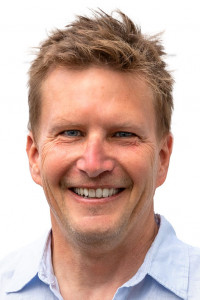
Timo Neubauer
| 1. What is your plan to reduce the risk of and prepare Tasman for worsening weather events? Flood protection is more than river management – we must look upstream to address the root causes. Clear-fell forestry, drained wetlands and intensive farming to river edges have removed the natural sponges from our waterways, making extreme floods up to 18 times more likely. We must reverse this trend, work with affected parties and focus on protecting high-asset areas, towns and villages, while building long-term resilience. More at timo4tasman.nz/rivers-and-flood-management. |
| 2. What do you think good rural and urban planning looks like for Tasman? Less sprawl and long term resilience in our rural areas. Good planning makes the most of existing infrastructure through well-designed urban intensification. We must manage risks in ways that are affordable and fair and set a bold, visual growth strategy. Spatial neighbourhood plans can enable quality townhouses and apartments in the right places – without endless red tape – while protecting rural character and productive land. More at timo4tasman.nz/key-actions-for-stronger-towns-and-villages. |
| 3. Given the tight Council budgets, how would you still support the most vulnerable in our community? To support our most vulnerable, we must tackle the root causes of high living costs. That means addressing what drives our rates increases, encouraging smaller, affordable homes in central areas and ensuring that every new development includes social and affordable housing. Council should welcome tiny homes and explore Community Land Trusts and other models to improve long-term affordability. |
| 4. What is your position on large impact projects like Sam’s Creek gold mine, Hope bypass or the Māpua fast-tracked housing development? Council should back smaller, locally led projects that strengthen our local economy, not rely on mega projects. Too often, these projects allow private companies to take the profits while the community is left with the costs. We must protect Golden Bay’s aquifer and Te Waikoropupū Springs, preserve Māpua’s character, and ensure that our major transport investments – like the Hope bypass – deliver real, long-term traffic solutions. More at timo4tasman.nz/gold-mine-at-sams-creek. |
| 5. Tasman voters will decide whether to keep the Māori ward in the upcoming referendum. What is your position, and why? This is a binding referendum, so the decision is entirely in the hands of Tasman voters. The previous council voted in favour of establishing a Māori ward and this referendum vote will determine whether it remains. Whatever the outcome, I will work to ensure fair representation and strong relationships across our communities and I will respect the decision of voters. My focus will be on fostering respectful, effective governance that serves everyone in Tasman. |
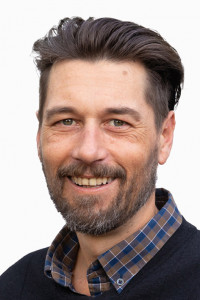
Daniel Shirley
| 1. What is your plan to reduce the risk of and prepare Tasman for worsening weather events? My plan is to focus on resilient infrastructure—maintain stop banks, upgrade stormwater, and ensure rapid response plans. I will prioritise essentials over non-core spending. Council’s role is to represent residents, not restrict their ability to protect property. |
| 2. What do you think good rural and urban planning looks like for Tasman? Good planning balances growth by protecting farmland, placing housing near infrastructure, and preserving the environment. Doubling the town’s size at sea level conflicts with talk of retreat and resilience. We need to choose—either build on the beachfront or commit to truly resilient development. |
| 3. Given the tight Council budgets, how would you still support the most vulnerable in our community? I would make sure there are funds for core services, housing partnerships, and targeted help for genuine need—without wasteful bureaucracy. |
| 4. What is your position on large impact projects like Sam’s Creek gold mine, Hope bypass or the Māpua fast-tracked housing development? I’d support it only if it delivers clear economic and community benefits, causes minimal environmental harm, and is backed by full transparency and a strong cost–benefit analysis. |
| 5. Tasman voters will decide whether to keep the Māori ward in the upcoming referendum. What is your position, and why? I oppose Māori wards, because I believe representation should be based on geography, not ethnicity. Māori candidates can and do succeed on the general roll. Our focus should be on sharing economic strengths so everyone can rise together, without being divided by ancestry. |
 Local Matters