
Moutere-Waimea Ward Candidates
For transparency, candidates were informed that their responses to the Local Matters survey would be published unedited.
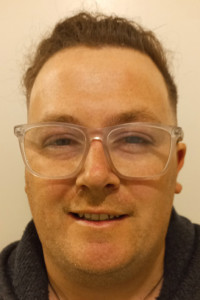
Julian Eggers
| 1. What is your plan to reduce the risk of and prepare Tasman for worsening weather events? To prepare Tasman for worsening weather, I’ll focus on resilience. That means upgrading stormwater and roads, protecting natural defences like forests and rivers, and ensuring new development avoids high-risk areas. I’ll support civil defence readiness, resource volunteers, and protect vulnerable residents. Working with iwi, experts, and government, we can build stronger, safer communities while planning for long-term climate adaptation. |
| 2. What do you think good rural and urban planning looks like for Tasman? Good rural and urban planning in Tasman means balancing growth with care for people and place. Urban areas need smart housing, transport, and green spaces. Rural areas need protected farmland, resilient infrastructure, and fair services. Together, we must plan for climate change, respect the environment, and keep communities connected, so growth strengthens our identity rather than eroding it. |
| 3. Given the tight Council budgets, how would you still support the most vulnerable in our community? Even with tight budgets, supporting our most vulnerable must remain a priority. I would focus on partnerships with community groups, iwi, and service providers to extend support without adding heavy costs. By targeting resources wisely, ensuring access to housing, transport, and essential services, and listening to those most affected, we can build a safety net that is fair, compassionate, and sustainable for Tasman. |
| 4. What is your position on large impact projects like Sam’s Creek gold mine, Hope bypass or the Māpua fast-tracked housing development? Large impact projects must be assessed on balance: economic opportunity, community benefit, and environmental cost. I support open, transparent consultation so locals are heard. Projects like Sam’s Creek, the Hope bypass, or Māpua housing must meet strong environmental and social standards, protect future generations, and deliver real value. Growth is important, but it cannot come at the cost of Tasman’s identity, health, and environment. |
| 5. Tasman voters will decide whether to keep the Māori ward in the upcoming referendum. What is your position, and why? The upcoming referendum on the Māori ward is a decision for our community. What matters most is that everyone has access to fair representation and feels their voice is heard. Māori wards are one way of ensuring this, but the final choice rests with voters. Whatever the outcome, council must continue building strong partnerships with iwi and working inclusively so all perspectives are valued in decision-making. |
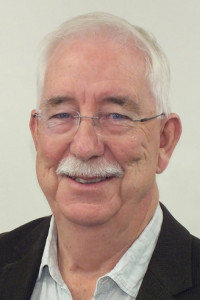
Mike Kininmonth
| 1. What is your plan to reduce the risk of and prepare Tasman for worsening weather events? Empower communities to act in the event of a significant weather event. To continue to prepare river management plans and invite submissions on the flood management model Increase funding to the Nelson Tasman Emergency Management Team to work more efficiently and effectively |
| 2. What do you think good rural and urban planning looks like for Tasman? Good Rural planning, is to respect the current and future environment, including enforcing productive land regulations. Remove planning requirement blockages that stymie growth and entrepreneurs the ability to enjoy the land. Good Urban planning allows for mixed housing sizes, according to demand and location. Where possible, further todays village/region “quaintness” into future land subdivision layout through specific design elements. |
| 3. Given the tight Council budgets, how would you still support the most vulnerable in our community? Retain current social housing stock. Continue to provide support to govt agencies and volunteer groups wherever possible |
| 4. What is your position on large impact projects like Sam’s Creek gold mine, Hope bypass or the Māpua fast-tracked housing development? If there is a need currently or in the future for such a project, then they must be given a chance to be tested against environmental and growth impact and whole of life community benefit |
| 5. Tasman voters will decide whether to keep the Māori ward in the upcoming referendum. What is your position, and why? After canvassing ratepayers in my ward, I voted NOT to have a Maori Ward in Tasman Region. |
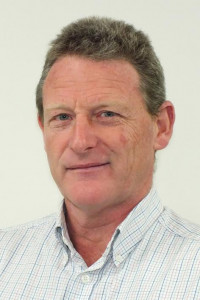
Dean McNamara
| 1. What is your plan to reduce the risk of and prepare Tasman for worsening weather events? Firstly, only idiots who know nothing about stormwater events would have suggested and approved the reduced street sweeping program. It will cost $10 for every dollar “saved” in a storm event due to clogged sumps and blocked culvert damage. The Kempthorne/King/Bryant dynasty has consistently focused on nice-to-haves and monuments rather than roads and rivers where we have been “sweating the assets” for some time. Time to stop gambling the future and put money where its most needed. |
| 2. What do you think good rural and urban planning looks like for Tasman? It starts with planning. In the past plans have been disregarded and houses built in land industrially zoned and on land that was part of the Waimea Dam productive land Zone. Unless we start with planning instead of letting developers dictate the plan by what suites them best then we continue to have urban sprawl and substandard infrastructure with associated traffic jams. |
| 3. Given the tight Council budgets, how would you still support the most vulnerable in our community? Unless we curb extravagant spending and get rates under control “the most vulnerable” is going to be a rapidly increasing class. Adding 100 or so council staff in the past 3 years is not helping. We need a radical rethink of how the Council operates and not another 3 years of more-of-the-same rubber stamping. Helping the most vulnerable is not going to be a quick fix, Tasman District Council is at the point of trading insolvent and has no more bandaids to hand out. |
| 4. What is your position on large impact projects like Sam’s Creek gold mine, Hope bypass or the Māpua fast-tracked housing development? Without wanting to show prejudice before being in a position to be potentially voting on these issues, I will say that everyone wants fast track and less red tape – until it is their neighbour using the legislation. The reason we are bogged down with red tape is because everyone wants a say on what their neighbour is doing. While it may have got out of hand, I don’t think fast tracking large projects is a win win scenario. Look at the aftermath of the Waimea Dam and the consultations ignored. |
| 5. Tasman voters will decide whether to keep the Māori ward in the upcoming referendum. What is your position, and why? I do not support it and are happy to see it go to the wider vote. I fail to see the purpose it serves. To have only one representative for the seven or eight local Iwi smacks of tokenism. Once elected all councilors are sworn in to represent the best interests of the entire district and not a particular ward or race so I am not sure how a separate Maori candidate can do that more effectively than those elected as ward candidates. |
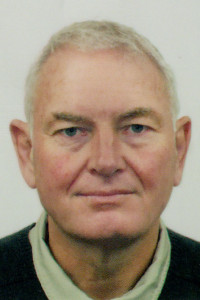
Dave Woods
| 1. What is your plan to reduce the risk of and prepare Tasman for worsening weather events? Common sense approach. Christchurch provided many lessons on the risks of building on wetlands. These should be avoided. Gravel extraction from rivers to increase their capacity for peak flows. |
| 2. What do you think good rural and urban planning looks like for Tasman? Productive farmland must remain viable for food production in the long term. The Tasman district is well served by maintaining distinct villages or communities that are serviced by small retail hubs and connected by a decent road network. I like the idea of a bypass around Richmond for traffic between Moteuka and Nelson to relieve congestion at that hub. |
| 3. Given the tight Council budgets, how would you still support the most vulnerable in our community? I believe that the current financial stress being placed on to ratepayers has created a very large group of vulnerable people. The best way that the Council can provide relief is to keep the rates down to an affordable level. The provision of services using those reduced funds is the function of the CEO and management team at the TDC. The Council exerts control by annual plans and budgets. The immediate focus will be reducing debt and maintaining core services. |
| 4. What is your position on large impact projects like Sam’s Creek gold mine, Hope bypass or the Māpua fast-tracked housing development? Every large project proposal will have arguments for or against them proceeding. I offer a balanced approach to considering the merits of each case and this would include speed limit changes on council roads. The ratepayers as a group are foremost in any consideration. Will this proposal benefit the TDC ratepayer? |
| 5. Tasman voters will decide whether to keep the Māori ward in the upcoming referendum. What is your position, and why? If elected I will work with anyone else who is elected including Maori ward representatives. I have been opposed to race-based policies of any kind my entire life (including protesting against apartheid). I cannot in principle support Maori wards. If elected I will work to represent all ratepayers in the Tasman District. |
 Local Matters