
Lakes – Murchison Ward Candidates
For transparency, candidates were informed that their responses to the Local Matters survey would be published unedited.
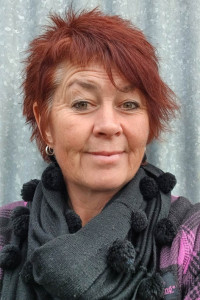
Nicola Allan
| 1. What is your plan to reduce the risk of and prepare Tasman for worsening weather events? Mother nature has a mind of her own. Our best plan for unpredicted extreme weather events is to be already as resilient as possible within our own homes and in our communities. Well functioning Civil Defence Centres and excellent community connectivity with all sectors, are of key importance. |
| 2. What do you think good rural and urban planning looks like for Tasman? We must find a balance between the needs of communities including residents, businesses and the impact on the environment to create functional, and livable spaces for everyone. |
| 3. Given the tight Council budgets, how would you still support the most vulnerable in our community? Continual support of community connection initiatives like Welby Talking Cafe’s, discounted public transport, retaining of council flats and support of affordable housing solutions like tiny homes. Greater support and small project grants for community organisations working in the community with food assistance, health and wellbeing support and disabilities. |
| 4. What is your position on large impact projects like Sam’s Creek gold mine, Hope bypass or the Māpua fast-tracked housing development? I am aware of the these projects but not enough to make a informed comment. |
| 5. Tasman voters will decide whether to keep the Māori ward in the upcoming referendum. What is your position, and why? I believe every person no matter what ethnicity in New Zealand has a right to choice in every way possible. If Tasman voters vote to keep the Maori ward, then the community has spoken. |
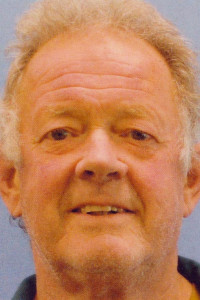
John Gully
| 1. What is your plan to reduce the risk of and prepare Tasman for worsening weather events? River management action, URGENTLY! Extraction back to the levels when rivers were managed by the Catchment Board. |
| 2. What do you think good rural and urban planning looks like for Tasman? Very careful consideration and consultation with communities. Infrastructure in some of our smaller communities is at peak, and traditionally development levies don’t go back to those communities. |
| 3. Given the tight Council budgets, how would you still support the most vulnerable in our community? cut excessive spending at its core. The proposed 8.9% rates increase with place a burden of about $8 per week per property |
| 4. What is your position on large impact projects like Sam’s Creek gold mine, Hope bypass or the Māpua fast-tracked housing development? Case by case, has to be. TDC are in for a very tight economic time, the “Nice to Have” projects will have to wait. |
| 5. Tasman voters will decide whether to keep the Māori ward in the upcoming referendum. What is your position, and why? One person, one vote, same for all. Historically TDC has had excellent Maori representation. |
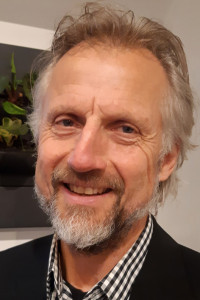
Richard Osmaston
| 1. What is your plan to reduce the risk of and prepare Tasman for worsening weather events? The root cause of worsening weather events/vulnerability is that we are constrained, exhausted and distracted by an adversarial economic system. It sets us against each other. We’ve space, resources, knowledge and technology to all thrive. Tasman’s exports are close to 90% of its production. Once we adopt a money-free, Resource Based Economy, (the ‘cost of living’ will be zero), we will only have to ‘work’ for 10% of the time we do now. Imagine our recovery/resilience capabilities then? |
| 2. What do you think good rural and urban planning looks like for Tasman? We have abundant space, abundant building materials and abundant technical and human resources to assure optimum, sustainable and resilient living conditions for all Tasman residents. Again, the only factor preventing good outcomes is the omnipotence of money and its corrupting effect in our society. If Planning would be different without the considerations of the monetary system, then we should plan that way. It’s not even hard. Shall we begin? |
| 3. Given the tight Council budgets, how would you still support the most vulnerable in our community? I am saddened by this question in that it effectively assumes as normal and inevitable that vulnerable people’s well-being should be compromised by ‘budgets’. ‘Budgets’ are merely a creation of psychopaths, economists and bankers. People’s lives and the sustainable future of society and ecology can be assured by evolving beyond money and these ‘budgets’. A future where all needs are met. We can do this now. Let’s get started. |
| 4. What is your position on large impact projects like Sam’s Creek gold mine, Hope bypass or the Māpua fast-tracked housing development? Dismay. None of these projects are actually necessary. They are only further knee-jerk responses to monetary system induced corruption of the human spirit. Making even more expensive and damaging mistakes will not correct previous mistakes. Indeed they will only exacerbate them, and create even more problems in the future. We live in paradise. Only the toxicity of money and capitalism prevent us from thriving in that paradise. We are in a position to move beyond this now. |
| 5. Tasman voters will decide whether to keep the Māori ward in the upcoming referendum. What is your position, and why? I don’t feel adequately informed to make a significant judgement. As usual, what we’re presented with is symptomatic of a dysfunctional economic system which again, will not be addressed by distracting and dividing people, all people, with issues that exacerbate and exploit our differences. We are all one. The solutions lie in coming together and sharing our diverse and abundant resources for the benefit of all. There is a future model that embraces diversity. It doesn’t include money. |
 Local Matters